
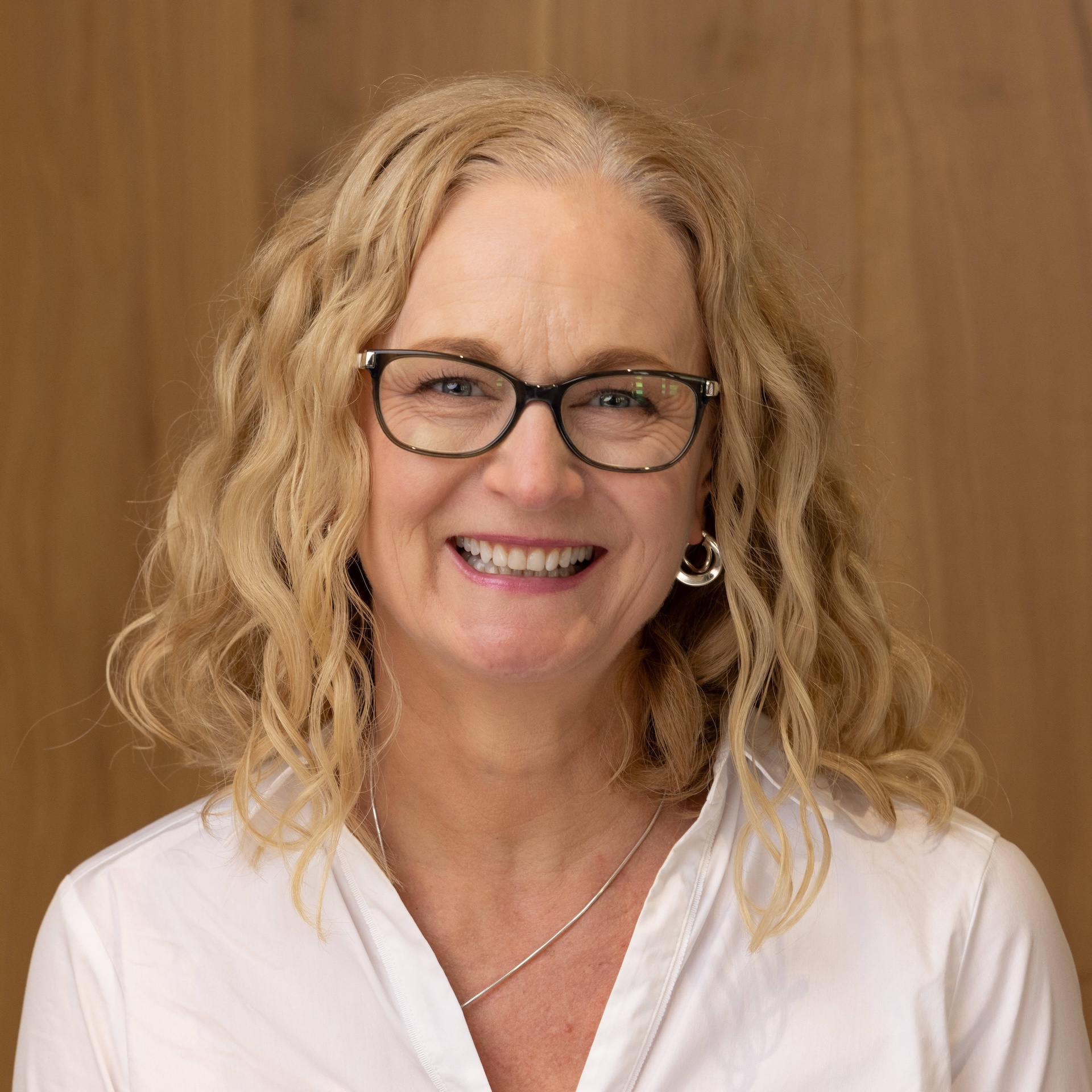
I inspire and empower others to want to become the best version of themselves. Through deep self-reflection and awareness of others, I embrace lifelong learning and purposeful growth. To achieve this, I purposefully create an environment that promotes curiosity, courage, and continuous development. Together, we create a culture where learning is valued, reflection is intentional, and growth is limitless.
As an occupational therapy educator, I’m passionate about creating curricula that ignite curiosity and inspire learning. My aim is to design engaging, inclusive environments where students feel empowered to explore, think critically, and grow personally and professionally. I work alongside students and colleagues – challenging, guiding, and learning together—to help each of us reach our full potential.
My research focuses on practical solutions that advance occupational therapy and higher education. It spans three interconnected areas: Health and Well-being, Scholarship of Teaching and Learning, and Digital Literacy. Many projects bridge these boundaries, reflecting the complexity of real-world practice.
Continuous self-reflection keeps me mindful of how my experiences shape my positionality – my values, assumptions, and biases. This awareness helps me remain open, curious, and receptive to diverse perspectives and new ideas. Listening deeply to others informs how I design future-focused curricula that connect emerging theory with practice while honouring the profession’s history and purpose.
Confident, capable, and approachable, I foster a culture of curiosity and collaboration. I welcome dialogue and innovation and am committed to going the extra mile to create meaningful learning experiences that evolve with the profession.
#HigherEd | #DigLit | #KT |#OT | #ePortfolios | #DigitalLiteracy | #GenAI | #GradEmployability | #Mentoring | #Coaching | #HealthyWorkplaces | #LegoSeriousPlay | #GFCfan | #PartnerMumSisterNanita | #Gardener
 Anita Hamilton ~ VirtualOT